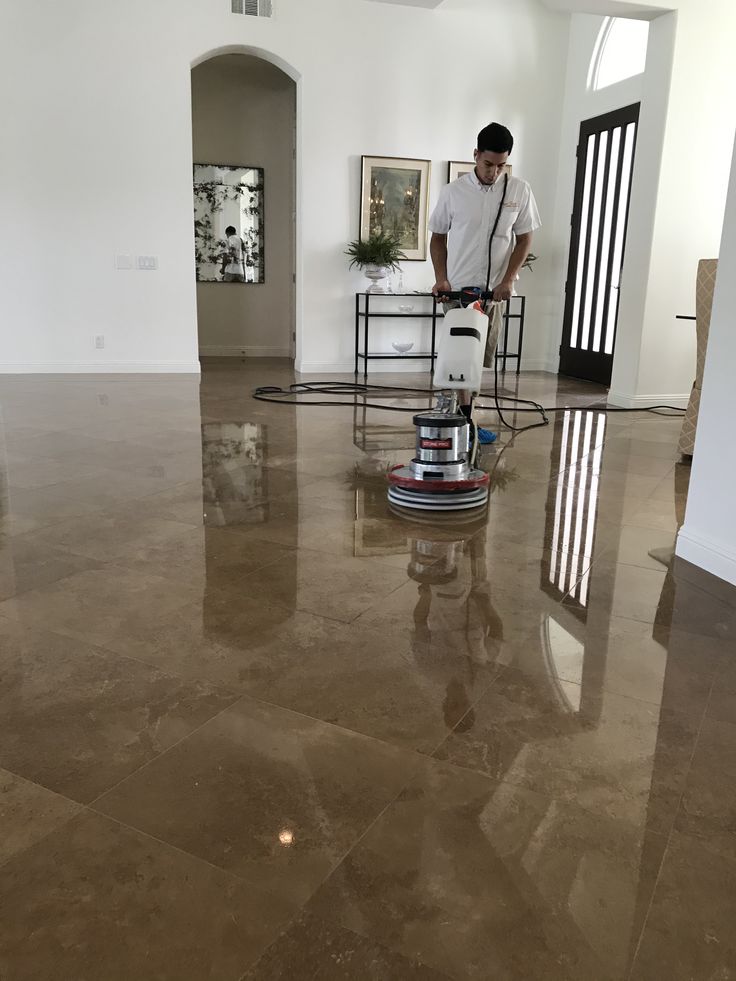
Two stones may appear identical at first glance, yet differ significantly in price. This discrepancy is usually attributable to quality, grade, processing, dimensions, the quarry of origin, and production costs.
1. Difference in stone quality
Even stones of the same type are not identical in quality. Factors such as porosity, water absorption, strength, structural integrity, and texture uniformity can influence the price.
2. Difference in stone sorting/grading
One of the most important factors in pricing is sorting. Stones from a single quarry can vary in terms of color, veining, pattern, and uniformity.
Typically, more uniform and aesthetically pleasing grades command higher prices.

3. Difference in color and design
Among natural stones, certain colors and patterns are rarer and more sought-after. For instance, a stone with a light, perfectly uniform background may command a higher value than a specimen featuring more pronounced veining and color variations.
4. Difference in dimensions and thickness
The price of stone does not depend solely on its type; dimensions, thickness, and the type of cut are also factors.
Slabs, tiles, and linear stone pieces—even when made from the same type of stone—do not carry the same price due to differences in production processes and dimensions.
5. Processing quality
Stone processing involves cutting, polishing, resin and epoxy treatment, and finishing stages. Generally, the higher the quality of the processing, the higher the product’s price.
For polished stones, surface quality and the level of glossiness are also of great importance.
6. Waste rate during production
Some types of stone generate more waste during extraction and processing. The more difficult it is to produce a specific grade, the higher its final cost can be.

7. Extraction site and mine
Even two stones sold under the same trade name may have been extracted from different quarries or different sections of the same quarry. Extraction conditions, block quality, and transportation costs can influence the final price.
8. Difference in brand and processing plant
Different factories may employ varying processing equipment and methods. Cutting and polishing quality, quality control, and packaging also influence the final price.
9. Level of supply and demand
Sometimes, the price of a stone rises due to high popularity or limited supply. For this reason, the price of stones can change over time.
So, what should we look for when comparing stone prices?
Don’t just compare the price per square meter. It is also best to consider the following points:
| Agent | Impact on price |
|---|---|
| Type and quality of the stone | A lot |
| Sorting and uniformity | A lot |
| Color and Design | A lot |
| Dimensions and thickness | Moderate to high |
| Substrate Quality and Processing | A lot |
| Amount of waste | Average |
| Quarry and Block Quality | A lot |
| Brand and Factory | Average |
| Shipping cost | Depending on the project |
Conclusion:
Therefore, even if two stones appear similar, they do not necessarily share the same quality and price. When purchasing, it is advisable to examine not only the price but also the stone’s grade, quality, thickness, dimensions, processing, and technical specifications.